
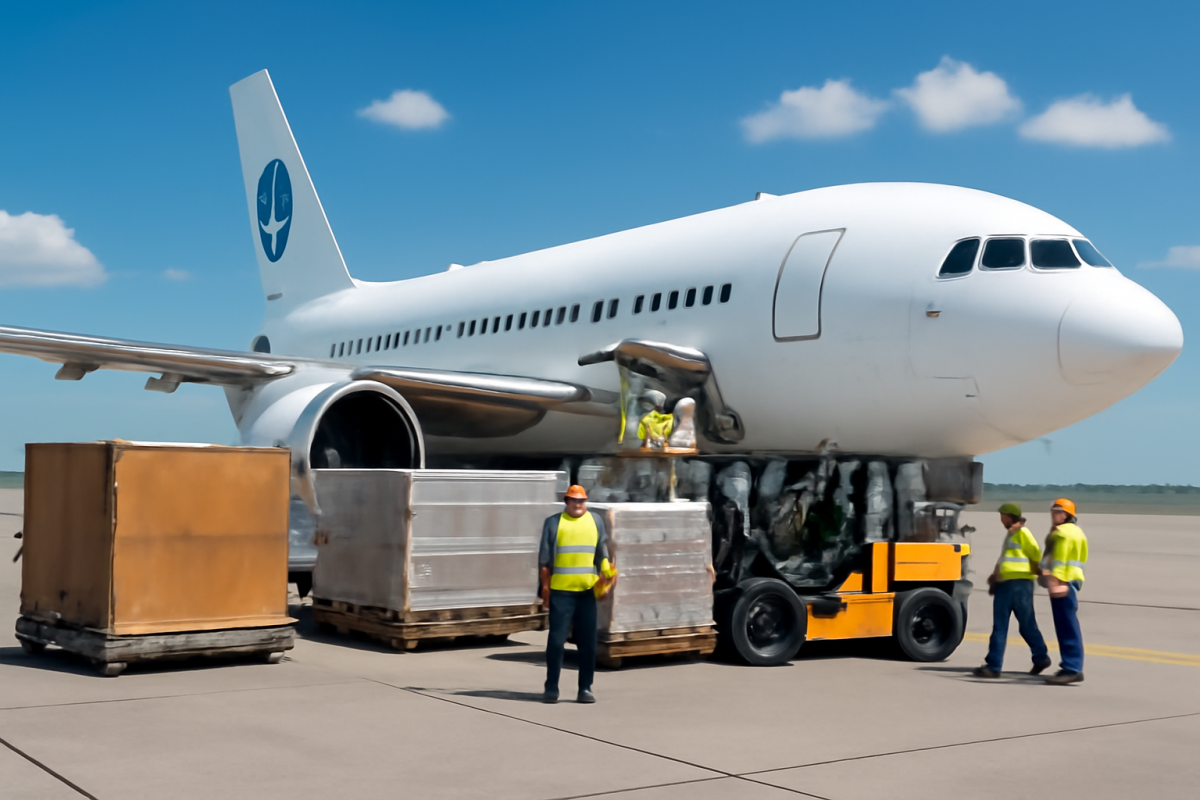
How to Choose Between Air Freight and Ocean Freight for Your Business is a crucial decision for companies that rely on efficient and cost-effective transportation of goods. In this article, we will explore the key factors to consider when deciding between these two methods, including cost, speed, cargo characteristics, environmental impact, and reliability. By understanding these considerations, businesses can make an informed choice that best suits their needs. Let’s dive in and examine the various elements involved in this decision-making process.
Cost Considerations
When choosing between air freight and ocean freight, one of the most pivotal factors to consider is the cost. Typically, air freight is more expensive than ocean freight. This is chiefly due to the higher operational costs associated with air transport, including fuel expenses, security measures, and overall maintenance. While the higher cost may deter some businesses, air freight becomes the preferred option for smaller, lighter shipments or when the speed of delivery is of the essence. On the other hand, ocean freight proves to be more economical for larger, heavier shipments, making it the ideal choice for bulk goods or when the budget is a primary consideration.
Considering the cost in the decision-making process is crucial, as it can significantly impact your profit margins and overall financial strategy. Before making a choice, it’s essential to assess the specific financial implications and align them with your business objectives and budget constraints. Whether you are a small operation with limited shipping needs or a large enterprise dealing with extensive supply chain logistics, the cost of freight is a key determining factor in ensuring the financial viability of your shipping strategy.
Another important cost consideration is the potential for adjusting shipping methods to optimize overall logistics expenses. Businesses should also evaluate the possibility of consolidating shipments to lower costs, as well as the comparative costs of insuring goods through air and ocean freight. These considerations, when thoroughly analyzed, can guide businesses to make cost-effective yet strategic decisions regarding the transportation of their goods. The ultimate goal is to choose the most financially advantageous option while meeting the specific needs of the business.
It’s important to note that shipping costs are subject to various variables, including fuel surcharges, seasonal fluctuations, and changes in tariffs. Staying abreast of these dynamic factors and understanding their potential impact on your shipping expenses can aid in making informed decisions regarding the optimal freight option for your business. Ultimately, a comprehensive cost analysis, factoring in all relevant elements, is imperative in the process of selecting the most cost-efficient shipping method.
Speed and Transit Times
Speed and transit times are significant elements in the selection process between air freight and ocean freight. Air freight is inherently the faster option, with the capability to deliver goods within days. This rapid delivery is particularly advantageous for time-sensitive shipments, such as high-priority consumer goods or perishable items. The speed and agility of air transport make it the preferred choice for businesses that require the expedited movement of goods to meet operational demands or consumer expectations.
Conversely, ocean freight typically involves longer transit times, with the potential for deliveries to take several weeks to over a month, contingent upon the specific route and shipping conditions. While ocean freight may not offer the immediacy of air transport, its efficiency in handling large volumes of shipments over extended periods is well-suited for businesses with less time-sensitive delivery requirements. Understanding your specific delivery timeline needs and aligning them with the transit timelines of each shipping method is crucial in making the right choice for your business.
It’s important to acknowledge that in addition to speed, consistency and reliability of transit times also play a central role in the decision-making process. While air freight may have the advantage in speed, the relative consistency of transit times in ocean freight, albeit at a slower pace, can also be a determining factor for businesses in need of predictability and stability in their supply chain operations. Ultimately, a comprehensive assessment of your delivery requirements, in the context of both speed and reliability, is essential in making an informed decision about the most suitable shipping method for your business.
Cargo Characteristics
The nature and characteristics of your cargo are pivotal in determining whether air freight or ocean freight is the most suitable option. Air freight is the preferred mode of transport for high-value, fragile, or perishable items that necessitate swift delivery and minimal handling. Its rapid transit and high-security measures make it the ideal choice for transporting high-value consumer goods, medical supplies, or time-sensitive products where any delay could have significant repercussions.
On the contrary, ocean freight is well-suited for bulky, heavy, or non-perishable goods that are less dependent on swift delivery times. It is the pragmatic choice for large-volume industrial equipment, raw materials, or products with longer shelf lives that can endure the extended transit times associated with ocean transport. Assessing the specific handling and environmental requirements of your cargo is a critical step in determining the most appropriate shipping method, ensuring that your goods are transported in a manner that safeguards their integrity and meets logistical and regulatory standards.
It’s also important to consider the potential for specialized handling needs, such as temperature-sensitive shipments or items that require specific packaging and protection. Understanding the inherent characteristics of your cargo and the handling processes involved in each shipping method is instrumental in selecting the most suitable option for ensuring the safe and secure transportation of your goods. Ultimately, aligning the nature of your cargo with the distinct strengths of air and ocean freight is fundamental in making an informed decision that prioritizes the safety and condition of your shipments.
Environmental Impact
Considering the environmental impact of your shipping choices is an increasingly important aspect of the global business landscape. Air freight is known to have a significantly higher carbon footprint compared to ocean freight, emitting drastically more CO₂ per ton-mile. For businesses with a strong commitment to sustainability and reducing their environmental impact, the larger carbon emissions associated with air freight may present an essential consideration in the decision-making process.
Conversely, ocean freight, despite involving longer transit times, is generally more sustainable and environmentally friendly due to its lower carbon emissions per ton-mile. For businesses aiming to minimize their ecological footprint, the environmental considerations linked to the choice of shipping method play a crucial role in aligning their operations with their sustainability objectives and corporate social responsibility commitments. Additionally, as industries and consumers increasingly prioritize environmental concerns, the environmental impact of shipping decisions becomes a pivotal factor influencing the overall brand reputation and social standing of businesses.
It’s important to note that beyond the direct environmental impact of the shipping methods themselves, businesses can also consider the broader sustainability practices and initiatives undertaken by different air and ocean freight service providers. Supporting shipping partners and logistics companies that demonstrate a genuine commitment to environmentally responsible operations and engage in initiatives to mitigate the environmental impact of transportation can further enhance the sustainability profile of a business’s overall supply chain activities. By choosing shipping methods and partners that prioritize environmental sustainability, businesses can actively contribute to the collective efforts of the global community to address environmental challenges and promote more responsible and eco-friendly logistics practices.
Reliability and Risk
Reliability and risk factors are integral considerations in the decision-making process when choosing between air freight and ocean freight. Air freight generally offers higher reliability with a reduced susceptibility to weather-related disruptions and port congestion, making it a more dependable choice for time-sensitive and high-priority shipments. The consistent and timely delivery guarantee that comes with air freight is a crucial advantage for businesses that rely on the punctual and reliable movement of their goods to meet operational schedules and customer commitments.
Conversely, while ocean freight is generally safe, it carries a slightly higher risk of damage or theft, primarily due to longer transit times and more handling. Additionally, the potential for delays caused by weather conditions, port congestion, and customs processing can impact the overall reliability of ocean freight. Understanding and evaluating the inherent risks and reliability factors associated with each shipping method is indispensable in making a well-informed decision that aligns with the risk tolerance and logistical requirements of your business.
Furthermore, the aspect of risk also encompasses the imperative consideration of cargo insurance, which serves as a critical safeguard against potential loss or damage during transit. Evaluating the comparative requirements for insuring goods through air and ocean freight, as well as the associated costs and coverage options, is a fundamental step in ensuring comprehensive risk management and protection for your shipments. By thoroughly assessing the potential risks and the accompanying mitigation measures, businesses can make astute and strategic decisions regarding the optimal shipping method while effectively managing the inherent uncertainties of the logistics landscape.
Urgency Against Cost
The tension between urgency and cost is a defining factor in the decision-making process for many businesses when choosing between air freight and ocean freight. Balancing the urgency of delivery against cost considerations is a nuanced challenge that requires careful deliberation and strategic assessment. For time-sensitive shipments, the immediacy and accelerated delivery capabilities of air freight may well outweigh the higher costs, thereby making air transport the most rational and advantageous choice for such deliveries.
Conversely, for deliveries where cost considerations take precedence, such as in the case of non-urgent, large-volume shipments, ocean freight’s more economical solution becomes the preferred route. It is crucial for businesses to evaluate their specific delivery needs in the context of their overall operational and financial priorities, weighing the trade-offs between expedited delivery and cost optimization to arrive at a decision that is coherent with their overarching business strategy.
Additionally, it’s important to recognize that the balance between urgency and cost is not a static or uniform consideration, but rather a dynamic one that can vary across different shipments and business activities. Some businesses may encounter a diverse range of shipping requirements, oscillating between high-priority, time-sensitive deliveries and bulk shipments with flexible timelines. As such, a multifaceted approach that encompasses a detailed evaluation of each shipment’s specific urgencies and cost implications can enable businesses to make nuanced decisions that respond to the diverse dynamics of their logistical needs.
Shipment Size and Weight
The size and weight of your shipments are instrumental in dictating the most appropriate shipping method, with each option offering distinct advantages contingent upon the nature of the goods being transported. For smaller shipments, particularly those that are high-value, lightweight, or time-sensitive, air freight emerges as the most expeditious and secure option, facilitating swift and reliable delivery to meet critical operational timelines and customer demands.
In contrast, ocean freight proves to be the optimal choice for larger, bulkier shipments, such as those involving industrial equipment, raw materials, or products with non-urgent delivery requirements. The capacity of ocean freight to effectively transport substantial cargo loads at a comparatively lower cost is a definitive advantage for businesses dealing with large, heavy shipments or high-volume logistics. Additionally, the versatility of ocean freight in accommodating various shipment configurations, such as full container loads (FCL) and less-than-container-load (LCL) shipments, further underscores its significance in managing diverse shipment sizes and dimensions.
Moreover, the consideration of specialized cargo requirements, such as the need for specific storage conditions or unique handling protocols, also plays a pivotal role in determining the most suitable shipping method. Whether it pertains to ensuring temperature-controlled environments for perishable goods or accommodating oversized or irregularly shaped cargo, a comprehensive assessment of your shipment’s size, weight, and handling needs is essential in making an informed decision that optimizes the transportation infrastructure and preserves the integrity of your goods during transit.
Special Handling Needs
Beyond the standard dimensions and weight considerations, many shipments entail specialized handling needs that necessitate a tailored approach to transportation. Air freight, with its rapid and secure transit capabilities, often serves as the best choice for shipments that require specific handling protocols, such as the timely movement of high-value, fragile, or sensitive items. The stringent security and handling standards associated with air transport make it the preferred option for the precise management of goods that demand extra care and attention during transit.
Conversely, ocean freight excels in accommodating a broader range of specialized handling needs, particularly for larger, bulkier goods or products with distinct operational or environmental requirements. Whether it involves the secure transport of industrial machinery, the navigational movement of large-scale renewable energy infrastructure, or the logistics of managing unique or unconventional cargo, ocean freight’s capacity to cater to diverse specialized handling needs positions it as the optimal choice for managing complex and non-standard logistics challenges.
Understanding the comprehensive scope of your cargo’s handling and storage prerequisites, as well as the specific environmental or operational requirements associated with certain goods, is imperative in selecting the most suitable shipping method. By aligning your transportation choices with the precise handling and storage needs of your cargo, you can ensure the secure, compliant, and efficient management of a diverse range of specialized shipments, thereby fortifying the reliability and robustness of your overall logistics framework.
Make the Best Choice for Your Business
Making the most suitable choice between air freight and ocean freight for your business is a multifaceted decision that necessitates a comprehensive evaluation of various interdependent factors. By meticulously considering cost, speed, cargo characteristics, environmental impact, reliability, and specialized handling needs, you can navigate the complex terrain of logistics decision-making and arrive at the most judicious and strategically sound choice for your business’s specific requirements. It’s crucial to approach this decision-making process with a thorough and nuanced understanding of your individual delivery needs, operational priorities, and the overarching dynamics of your industry and market landscape.
Furthermore, engaging in proactive collaboration with reputable freight forwarders, logistics providers, and supply chain partners can offer valuable insights and support in the process of selecting the most suitable shipping method. Their expertise in international logistics, industry best practices, and the dynamics of air and ocean freight can enrich your understanding of the nuanced trade-offs and considerations involved in the decision-making process, empowering you to make well-informed choices that enhance the efficiency and effectiveness of your logistics operations.
Assessing and contrasting the various shipping options in the context of your business objectives, logistical parameters, and evolving market conditions can also enable you to cultivate a dynamic and resilient logistics strategy that is responsive to the multifaceted demands and complexities of global trade and supply chain management. Ultimately, the choice between air freight and ocean freight is not a static one, but rather a dynamic decision that can be influenced by diverse factors and shifting market dynamics, underscoring the importance of a proactive and adaptive approach to logistics decision-making in the contemporary business milieu.
Conclusion
Choosing between air freight and ocean freight for your business requires careful consideration of factors such as cost, speed, cargo characteristics, environmental impact, and reliability. For time-sensitive shipments, air freight may be the best choice, while ocean freight is a more cost-effective option for large, heavy goods. It’s important to also factor in any special handling needs and your business’s urgency and budget. Ultimately, the best shipping method will depend on your specific needs and priorities.
