
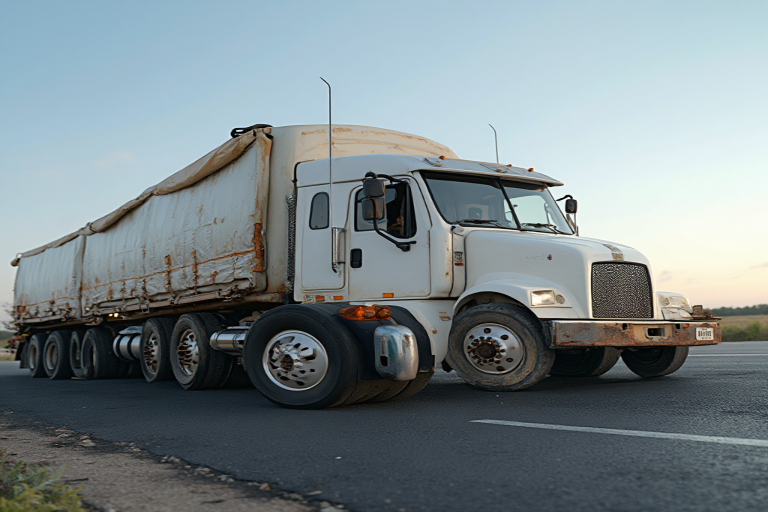
In this article, we will discuss the importance of classifying your cargo correctly and provide tips on how to ensure accurate classification of your goods. We will cover the use of the Harmonized System and National Motor Freight Classification, understanding Incoterms, leveraging technology for accurate classification, and the importance of reviewing and updating classifications. By following these practices, you can optimize your international trade and minimize potential delays or penalties.
Understand the Harmonized System (HS)
When it comes to international trade, the accurate classification of goods is an essential process that every importer and exporter must undertake. This is because the classification of goods plays a crucial role in determining the correct tariff rates, customs duties, and regulatory requirements that apply to a specific product. To start with, it is important to have a comprehensive understanding of the Harmonized System (HS), which is the cornerstone of the global customs classification system. The HS is a standardized coding system that assigns a unique value to every traded product, and it is maintained by the World Customs Organization (WCO). This system is designed to ensure that goods are classified consistently and accurately across different countries and regions.
Accurate classification under the HS is vital for determining applicable duties, taxes, and compliance with various regulations. It serves as the basis for national tariff schedules and trade statistics, and it also plays a crucial role in customs authorities’ efforts to enforce laws and regulations related to the import and export of goods. The HS consists of over 5,000 descriptions and coding system, and it is organized into 97 customs territories, with each territory being assigned a unique HS code. This comprehensive and detailed structure helps in the precise identification and classification of goods, which in turn, facilitates smooth international trade and helps prevent delays, penalties, and other potential issues for importers and exporters.
Furthermore, the HS is regularly updated to keep pace with changing global trade trends and technological advancements. These updates and amendments are critical for ensuring that the system remains relevant and effective over time. As such, it is of the utmost importance for businesses engaged in international trade to stay well-informed about the most recent updates and amendments to the HS. This not only demonstrates a commitment to compliance and regulatory requirements but also enables businesses to proactively adapt to changes in the global marketplace, thus maintaining a competitive edge.
National Motor Freight Classification (NMFC)
In the United States, the National Motor Freight Classification (NMFC) plays a central role in the categorization of commodities for ground freight shipments. The NMFC is a system that assigns specific classes to different types of items, which are then used to determine the applicable freight charges and guidelines for shipping and handling. This classification system encompasses a wide range of commodities, including but not limited to, packaged goods, machinery, and other non-perishable items. The NMFC uses a numerical coding system to identify and classify products, and it plays a crucial role in promoting consistent and fair pricing for transportation services.
Every item is assigned to one of 18 classes based on several factors, including its density, stowability, handling, and liability, with Class 50 being the lowest and Class 500 the highest. By accurately classifying goods within the NMFC, businesses can effectively manage their shipping costs, optimize their transportation logistics, and ensure that the appropriate handling and packaging procedures are followed. It is also important to note that a thorough understanding and adherence to NMFC guidelines are not only critical for cost management but are also essential for maintaining a strong and professional reputation in the logistics and transportation industry.
Importer Security Filing (ISF)
For businesses engaged in importing goods into the United States, compliance with the Importer Security Filing (ISF), also known as the “10+2” rule, is a legal requirement that must be strictly adhered to. The ISF is a process that necessitates the submission of specific data elements to U.S. Customs and Border Protection (CBP) prior to the loading of goods onto an ocean vessel. This vital security and risk assessment measure is designed to enhance the security of international trade and reduce the risk of unlawful or hazardous materials being imported into the United States. At the core of the ISF process is the accurate and timely submission of the Importer Security Filing, which is directly linked to the proper classification and identification of goods being shipped.
Accurate cargo classification is a key component of the ISF, as it helps the U.S. Customs and Border Protection assess potential risks associated with the cargo, identify any discrepancies, and quickly respond to any security or compliance concerns. Failure to adhere to ISF requirements and the misclassification of goods can lead to a range of serious consequences, including delays, fines, and a potential denial of entry for the goods in question. By diligently following the ISF guidelines and ensuring the accuracy and completeness of the required data elements, importers can play a proactive role in upholding the security and integrity of the international supply chain while avoiding any unnecessary disruptions to their import operations.
Compliance with Incoterms
Incoterms, or International Commercial Terms, are a set of predefined commercial terms utilized in international contracts to clearly outline the responsibilities and obligations of both sellers and buyers in global trade. Established and maintained by the International Chamber of Commerce, these terms are widely recognized and accepted in international commerce and play a crucial role in defining the allocation of costs, risks, and insurance responsibilities in the transportation and delivery of goods. By incorporating the appropriate Incoterms into their sales and purchase agreements, businesses can effectively manage their commercial risks, establish clear terms of delivery, and avoid potential disputes or misunderstandings with their trading partners.
For instance, under the Cost, Insurance, and Freight (CIF) Incoterm, the seller is responsible for not only the cost of the goods and their transportation but also for arranging and providing insurance coverage for the goods during transit. Understanding and correctly applying Incoterms is fundamental for all parties involved in international trade, as it ensures that there is a shared and comprehensive understanding of their respective obligations, thereby mitigating the potential for costly errors or disputes. Furthermore, as international trade regulations and practices continue to evolve, it is important for businesses to regularly review and update their knowledge of Incoterms to ensure that they are utilizing the most current and appropriate terms for their specific trade and transportation agreements.
Technology for Accurate Classification
As international trade and global supply chain operations become increasingly complex and interconnected, the integration of advanced technology has emerged as a pivotal strategy for enhancing the accuracy and efficiency of cargo classification and related processes. One notable example of technological innovation in this domain is the implementation of Optical Character Recognition (OCR) systems, which are employed to automate and streamline the classification and processing of essential shipping and customs documents. By leveraging OCR technology, businesses can significantly reduce the risk of human error, expedite the handling of critical documents such as commercial invoices, packing lists, and bills of lading, and enhance the overall speed and reliability of the customs clearance process.
Furthermore, the utilization of sophisticated classification and data management software and tools has become increasingly prevalent in the logistics and transportation industry, enabling businesses to organize, analyze, and verify the classification of goods with a high degree of precision and speed. These technological solutions not only minimize the potential for costly delays and compliance issues but also contribute to the establishment of a more robust, transparent, and secure system for managing and documenting international trade activities. As such, investing in and harnessing the capabilities of advanced technology for cargo classification and related procedures is not only a proactive measure for optimizing operational efficiency but also an indispensable means of staying abreast of regulatory developments and market dynamics in the global business environment.
Review and Update Classifications
Given the dynamic and ever-evolving nature of international trade and customs regulations, it is imperative for businesses engaged in import and export activities to regularly review and update their product classifications to ensure compliance with the most current rules and guidelines. This proactive and systematic approach involves conducting periodic assessments of the classification status of various goods, keeping abreast of changes to the Harmonized System (HS), and monitoring any amendments to applicable customs tariffs and regulations. In addition, businesses must be attentive to shifts in the nature, composition, or intended use of their products, as these factors can significantly influence the correct classification and treatment of goods for customs and insurance purposes.
By maintaining a proactive stance on the review and update of product classifications, businesses can mitigate the risk of non-compliance, avoid potential penalties or delays in the customs clearance process, and proactively adapt to any changes in the regulatory landscape. This practice also positions businesses to capitalize on any opportunities for cost savings or operational efficiency that may arise as a result of responsive and well-informed classification decisions. Moreover, by regularly updating their product classifications and related documentation, businesses demonstrate a commitment to transparency, integrity, and regulatory compliance, which are highly valued in the global marketplace and can contribute to the cultivation of a strong and trusted business reputation.
Train Staff
Central to the establishment and maintenance of a robust and compliant system for the accurate classification of cargo and goods is the comprehensive training and education of the staff members responsible for handling these critical tasks. It is imperative for businesses engaged in international trade to invest in the continuous training and development of their personnel to ensure that they possess the in-depth knowledge and expertise required to accurately classify, document, and manage the various aspects of cross-border transactions. This training should encompass a wide range of topics, including but not limited to, customs regulations, product classification, tariff schedules, trade agreements, and the use of classification and documentation management systems and tools.
By providing their staff with regular and focused training on these areas, businesses can not only enhance the overall accuracy and efficiency of their customs and insurance-related operations but also promote a culture of compliance, integrity, and professionalism within their organization. Well-trained personnel are better equipped to make informed and compliant classification decisions, address and resolve any potential issues or discrepancies, and consistently deliver high-quality and reliable customs and insurance documentation and processes. Furthermore, investing in the ongoing training and proficiency development of staff members not only contributes to the cultivation of internal competence and expertise but also signals to business partners, clients, and regulatory authorities a clear commitment to upholding the highest standards of compliance and operational excellence in the global trade environment.
Customs Brokers
The engagement of experienced and reputable customs brokers is a critical element in the establishment and maintenance of a robust and compliant system for the classification and clearance of cargo in the context of international trade. Customs brokers, who are licensed and regulated by the relevant customs authorities, serve as essential intermediaries in the process of customs clearance, as they possess the in-depth knowledge, expertise, and resources to navigate the intricacies of customs regulations, documentation, and classification. By partnering with established and experienced customs brokers, businesses can leverage these professionals’ comprehensive understanding of customs compliance and classification rules, as well as their established relationships with customs authorities, to facilitate accurate and efficient clearance processes for their imported and exported goods.
Customs brokers play a pivotal role in ensuring that the goods being imported or exported are accurately classified, that all necessary documentation is in order, and that the applicable customs duties and fees are correctly assessed and paid. Furthermore, by working with customs brokers, businesses can receive expert guidance and support on a wide range of customs-related matters, including compliance with import and export regulations, the utilization of trade agreements, and the optimization of customs processes for enhanced efficiency and cost-effectiveness. This collaborative approach not only helps businesses navigate the complexities of customs affairs with a higher degree of confidence and ease but also contributes to the cultivation of a strong and proactive stance on customs compliance and risk management, thereby fostering a positive and professional image in the global trading community.
Document Everything
In the context of international trade, the adage “document everything” holds particularly true, as the meticulous preparation, management, and maintenance of various documents and records are fundamental for ensuring compliance with customs regulations, minimizing the risk of delays or disputes, and safeguarding the integrity of the overall import and export processes. From commercial invoices and packing lists to bills of lading, import/export permits, and other relevant documentation, each record and document serves a specific and critical purpose in the identification, classification, and clearance of goods across borders. By establishing robust and well-defined procedures for the accurate and comprehensive preparation and maintenance of these documents, businesses can establish a solid foundation for securing smooth and compliant customs clearance and facilitating efficient international trade operations.
Furthermore, the digitization and electronic management of customs and shipping documentation have emerged as best practices for modern businesses engaged in global trade, as these approaches not only enhance the accessibility, security, and accuracy of documentation but also contribute to the overall streamlining and efficiency of cross-border logistics and supply chain management. By implementing and managing an integrated electronic documentation and management system, businesses can not only reduce the potential for errors, document loss, or security breaches but also gain valuable insights and control over their customs and shipping documentation processes, thereby optimizing their overall operational performance and compliance with international trade regulations. Additionally, the precise and thorough documentation of all customs and shipping-related activities and transactions is not only a legal and regulatory requirement but also a foundational practice for instilling transparency, accountability, and trust in the dynamic and interconnected ecosystem of global trade and commerce.
Conclusion
—****Properly classifying your cargo is crucial for international trade and compliance with insurance and customs regulations. Understanding systems like the HS, NMFC, and Incoterms, leveraging technology, and regularly reviewing and updating classifications can ensure efficient and accurate cargo classification. It is also essential to train staff and work with customs brokers to minimize potential errors and document everything meticulously throughout the process. By following these guidelines, businesses can avoid delays, penalties, and other risks associated with misclassification and ensure smooth shipping operations.
