
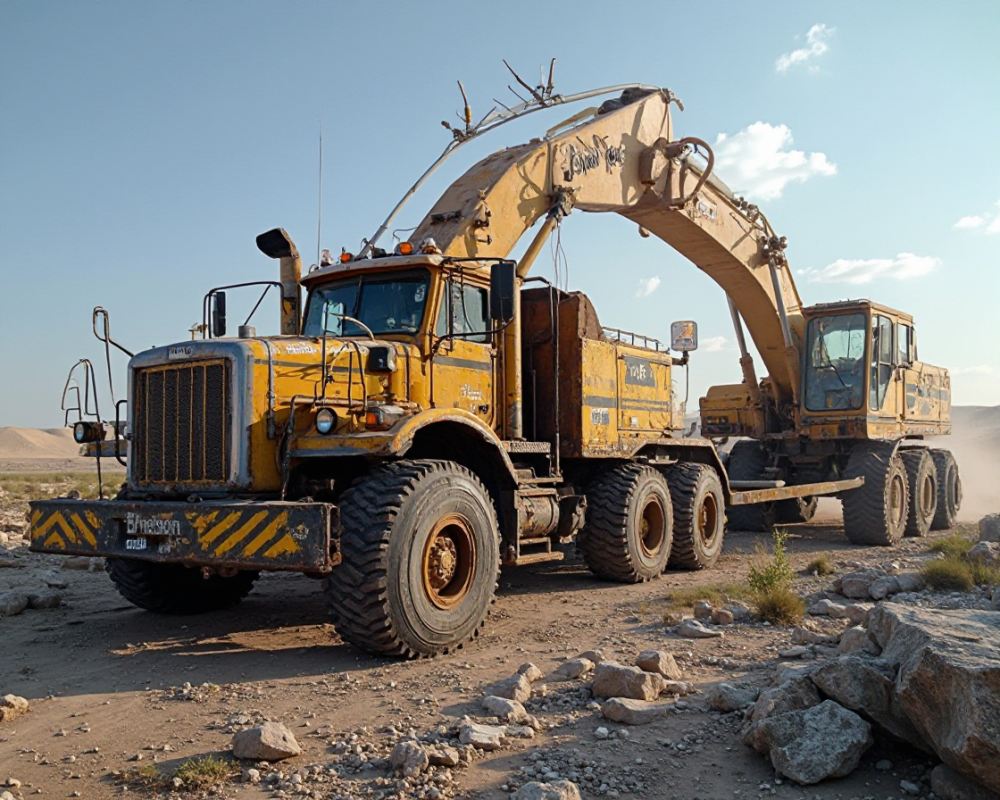
Exporting heavy equipment from the United States involves a series of methodical steps to ensure compliance with regulations and the safe delivery of machinery to its destination. This article will guide you through each step of the process, from determining export eligibility and obtaining necessary documentation to arranging for inland transportation and conducting post-delivery inspections. By following these steps, you can successfully export heavy equipment from the USA with confidence and without any issues.
Determine Export Eligibility and Compliance
Exporting heavy equipment from the United States requires a thorough understanding of the regulations and standards governing the process. The first crucial step in ensuring a successful export is to determine the eligibility and compliance of the machinery with the requirements of the destination country. It is imperative to research the specific regulations that apply to the importing country, as these can vary significantly and may include environmental, safety, and technical standards. By verifying that your heavy equipment meets these regulations, you can prevent potential delays, rejections, or costly non-compliance issues during the export process.
In addition to country-specific regulations, it is essential to check for any trade restrictions, sanctions, or embargoes that may be in place for specific countries or types of machinery. This comprehensive assessment of export eligibility and compliance is a fundamental starting point that sets the stage for the rest of the export process, helping to ensure a smooth and successful outcome.
Consulting with a reputable customs broker or export compliance specialist can provide valuable insight and guidance in navigating the complex landscape of export regulations, particularly if you are new to the process or exporting to a country with stringent import requirements. Their expertise can help mitigate the risks associated with non-compliance and offer support in addressing any specific challenges that may arise.
Obtain Necessary Documentation
Once you have confirmed the export eligibility and compliance of your heavy equipment, the next critical step is to obtain the necessary documentation for the export process. This typically involves gathering a range of essential documents, including the bill of sale, proof of ownership, maintenance records, and any other paperwork required for the specific type of machinery being exported. Depending on the import regulations of the destination country, additional documents such as export licenses, technical specifications, or certificates of origin may also be necessary.
Working closely with a customs brokerage professional can help streamline this process and ensure that you have all the required documentation in order. They can provide expert assistance in identifying the specific documents needed for your export and offer support in preparing, validating, and processing the paperwork to ensure compliance with both U.S. export requirements and the regulations of the destination country.
By prioritizing the meticulous preparation and submission of the necessary documentation, you can significantly reduce the risk of delays, rejections, or legal issues during the export of your heavy equipment, ultimately contributing to a more efficient and successful export process.
Choose an Appropriate Shipping Method
Selecting the right shipping method for your heavy equipment is a critical decision that should be based on a comprehensive assessment of the specific requirements of the machinery, as well as the most effective and efficient transportation options available. The size, weight, and nature of the equipment will influence the choice of shipping method, whether it involves Roll-On/Roll-Off (RoRo) services for self-propelled machinery, flat rack shipping for oversized or irregularly shaped loads, or container shipping for smaller or disassembled equipment. Each method has distinct considerations in terms of loading, transit, and suitability for different types of heavy machinery.
Engaging with a reputable and experienced shipping partner can provide valuable insights and recommendations on the most suitable and cost-effective shipping method for your specific needs. Their expertise can help ensure that the chosen method aligns with the logistical requirements of your equipment, contributes to a secure and compliant transport process, and meets budgetary and timeline considerations. By collaborating with a trusted shipping partner, you can benefit from their specialized knowledge and support in optimizing the shipping method selection for your heavy equipment export, enhancing the overall efficiency and success of the export process.
Prepare the Equipment for Export
Preparing your heavy equipment for export is a fundamental phase in the export process, encompassing a range of practical and regulatory considerations to ensure the safe and compliant transport of the machinery. This preparation involves conducting thorough inspections and maintenance to ensure that the equipment is in optimal working condition and can withstand the rigors of international transport. Additionally, it is essential to address any specific requirements related to the draining of fluids, removal of hazardous materials, or securing of loose parts, as these measures can prevent potential environmental harm, safety hazards, or damage during transit.
Moreover, cleaning the equipment is a crucial preparatory step, particularly to meet the biosecurity requirements of certain countries that aim to prevent the introduction of invasive species or contaminants. Ensuring that the machinery is clean and free of dirt, plant material, and debris not only demonstrates environmental responsibility but also helps to streamline the inspection and clearance process, avoiding potential delays or rejections at the destination due to non-compliance with biosecurity regulations.
By conducting a comprehensive and meticulous equipment preparation process, you can contribute to a higher standard of compliance and readiness for the export of your heavy machinery, minimizing potential obstacles and enhancing the overall efficiency and success of the export venture.
Arrange for Inland Transportation
Organizing the inland transportation of heavy equipment from its current location to the port of export is a critical logistical step in the overall export process. This phase may necessitate the use of specialized transport vehicles, such as lowboy trailers or multi-axle trucks, particularly for oversized, heavy, or self-propelled machinery. Given the unique dimensions and weight of such equipment, it is imperative to carefully select the appropriate transport method and route to ensure safe and compliant movement to the port.
Collaboration with a trusted and experienced transport provider that specializes in heavy and oversized loads is essential to effectively orchestrate the inland transportation process. They can offer valuable insights into route planning, permits, and regulatory compliance, ensuring that the transportation of the equipment adheres to local regulations and best practices. Additionally, their expertise can contribute to the development of a customized logistics plan that optimally addresses the specific requirements and challenges associated with transporting heavy machinery to the export port, thereby facilitating a smooth and trouble-free inland transportation process.
Complete Export Documentation and Customs Procedures
Once the necessary documentation is in order and the logistics for transport and shipping are underway, it is essential to focus on completing the export documentation and customs procedures to ensure compliance with U.S. export regulations. This process involves the preparation and submission of various export documents, including the export declaration, commercial invoices, and, if applicable, the export license and other regulatory forms. Collaborating with a licensed customs broker is crucial at this stage, as they can provide expert guidance and support in accurately preparing, validating, and electronically filing the required export documentation with U.S. Customs and Border Protection (CBP) as well as other relevant government agencies.
Furthermore, the customs broker plays a pivotal role in facilitating compliance with export regulations, particularly in cases where additional requirements, such as export licenses, technical documentation, or commodity-specific regulations, are applicable. Their professional expertise and thorough understanding of the export documentation and customs procedures are instrumental in mitigating potential compliance risks, minimizing the likelihood of errors or omissions, and ensuring the seamless progression of the export process while upholding the highest standards of regulatory adherence.
By engaging the services of a reputable and experienced customs brokerage professional, you can navigate the complexities of export documentation and customs procedures with confidence, securing the efficient and compliant export of your heavy equipment while proactively addressing and fulfilling all regulatory and legal requirements.
Coordinate with the Shipping Company
Coordinating with the selected shipping company is a pivotal stage in the export process, involving comprehensive communication and collaboration to ensure the timely and secure transport of your heavy equipment. This coordination encompasses vital aspects such as scheduling the departure of the equipment, confirming loading and delivery details, and addressing any specific requirements related to the shipping and handling of the machinery. Open and proactive communication with the shipping company is essential to clarify all logistical and operational aspects, enabling the seamless coordination of the shipment and addressing any potential concerns or uncertainties in a timely manner.
Moreover, it is crucial to confirm and review all shipping details, including departure and arrival dates, port charges, and any additional fees or service requirements. By maintaining clear and consistent communication with the shipping company and confirming all relevant details, you can establish a foundation for a smooth and successful shipping process, minimizing the risk of unforeseen issues or delays and ensuring a high level of confidence in the overall logistics and transport of the heavy equipment.
Monitor Shipment and Address Customs Clearance at Destination
Once the shipment is in transit, actively monitoring the status and progress of the shipment is essential to staying informed about its journey and promptly addressing any issues or delays that may arise. Tracking the shipment provides valuable visibility and reassurance, enabling shippers to proactively manage and respond to any potential disruptions and ensuring that the heavy equipment progresses steadily towards its final destination.
Upon arrival at the destination port, it is essential to coordinate with a reputable customs broker or clearing agent to facilitate the customs clearance and import procedures. This involves ensuring compliance with all destination country regulations, including the payment of duties and taxes, and addressing any specific import requirements or inspections that may be necessary. By working with a knowledgeable and reliable customs professional, you can navigate the customs clearance process with confidence, addressing any regulatory or procedural considerations efficiently and expeditiously to ensure the smooth and timely release of the shipment.
Arrange for Delivery to Final Destination
After the customs clearance process is successfully completed, the next crucial step is to arrange for the inland transportation of the heavy equipment to its final destination. This phase may require additional logistics planning, particularly if the destination is remote, requires specialized handling, or involves unique transportation considerations. Engaging with a trusted and experienced transport provider with expertise in arranging the delivery of heavy machinery can help address these specific logistical requirements and ensure a smooth and efficient transport process to the final destination.
By collaborating with a professional and reliable transport provider, you can develop a comprehensive delivery plan that encompasses all necessary details, including the final delivery location, any specific handling or unloading requirements, and the coordination of timely and secure delivery of the heavy equipment to its ultimate destination, thereby completing the export process with precision and reliability.
Conduct Post-Delivery Inspection
Upon the successful delivery of the heavy equipment to its final destination, it is essential to conduct a thorough post-delivery inspection to confirm that the machinery has arrived in the expected condition and is ready for use or deployment. This inspection involves verifying the integrity and functionality of the equipment, identifying any potential discrepancies or damages, and addressing these promptly with the shipping company or insurance provider, if necessary.
Maintaining thorough records of the export process, including the post-delivery inspection results and any relevant communication or claims, is valuable for various purposes, including the resolution of any disputes or issues that may arise, facilitation of future shipments, and validation of the overall export process. By conducting a meticulous and diligent post-delivery inspection and maintaining comprehensive records, you can uphold a high standard of quality and accountability in your heavy equipment export activities, laying the groundwork for future success and confidence in the export process.
By meticulously following these steps, you can navigate the complexities of exporting heavy equipment from the USA, ensuring compliance with all regulations and the safe arrival of your machinery at its destination.
Conclusion
If you are looking to export heavy equipment from the USA, following a series of well-planned steps is crucial to ensure compliance with regulations and a successful delivery. From determining eligibility and obtaining necessary documentation to arranging shipping and addressing customs procedures, this article has outlined the essential steps for safely exporting heavy equipment from the USA. Remember to also closely monitor the shipment and conduct a post-delivery inspection to address any issues that may arise. By carefully following these steps, you can successfully navigate the process of exporting heavy equipment from the USA and achieve a smooth and efficient export experience.
